






 Platform
Oct 7, 2026 • 13 min read
The Complete Guide to Toilets
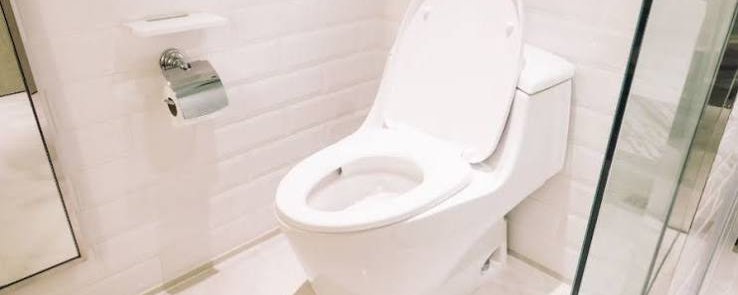
Toilets are a major source of household water consumption. According to the Water Research Foundation’s Residential End Uses of Water report, toilets are the single largest source of indoor water use in the average U.S. home. They account for nearly one-quarter of indoor household water consumption and use an average of 11,900 gallons of water per home each year.
How much water a toilet uses depends primarily on how often it is flushed and how many gallons it uses with each flush. Older toilets may use several times more water than modern high-efficiency models. Leaks, worn components, and poor maintenance can increase consumption even further.
Understanding your toilet’s flush rate, condition, and performance can help you identify practical opportunities to lower water and sewage bills. This complete guide explains how toilets use water, what determines their operating costs, how efficient toilets and tank bags can reduce consumption, and how to identify leaks before they waste additional water.
Table of Contents
Why Toilet Water Use Matters
Toilets are the single largest source of indoor water use in the average U.S. home. They account for nearly one-quarter of indoor household water consumption, using an average of 11,900 gallons per home annually.
Toilets use cold water, so their operation directly affects household water and sewage bills. Although the cost of a single flush may seem small, repeated use adds up over time. According to the World Toilet Organization, most people flush a toilet between six and eight times per day. In a household with multiple occupants, this can result in thousands of flushes each year.
Reducing the amount of water used per flush can therefore produce meaningful annual savings. Even a small improvement in toilet efficiency can accumulate across daily use and multiple household members.
How Toilets Use Water
A toilet uses water stored in its tank to remove waste from the bowl. After each flush, the tank refills so that the toilet is ready for its next use.
The total amount of water a toilet consumes depends on two main factors:
- How often the toilet is flushed
- How much water it uses per flush
Flush frequency is influenced by the number of people using the toilet and how often each person flushes. Water use per flush is determined by the toilet’s design, age, flush setting, and condition.
A leak can also increase total consumption. When components inside the tank do not seal or operate correctly, water may flow continuously or intermittently even when no one has flushed the toilet. This additional consumption may be difficult to notice because many toilet leaks are silent.
How Much Water Does a Toilet Use per Flush?
Toilet water efficiency is measured in gallons per flush, commonly abbreviated as gpf. This figure indicates how much water a toilet uses each time it is flushed.
Older toilets installed before the 1990s often use between 3.5 and 7 gallons per flush. Modern federal standards require most new toilets to use no more than 1.6 gallons per flush. Many high-efficiency models use 1.28 gallons per flush or less.
Assuming a toilet is flushed eight times per day, annual consumption can vary substantially based on its flush rate:
- A 5-gpf toilet uses more than 14,000 gallons per year.
- A 1.6-gpf toilet uses about 4,600 gallons per year.
- A 1.28-gpf toilet uses about 3,700 gallons per year.
These estimates show why knowing a toilet’s flush rate is important. Two people can follow the same flushing habits but use very different amounts of water depending on the toilets they use.
How to Calculate Your Toilet’s Annual Water Use
You can estimate annual toilet water consumption using three pieces of information:
- The toilet’s gallons-per-flush rating
- The average number of flushes per person per day
- The number of people in the household
Use the following formula:
Gallons per flush × daily flushes per person × number of occupants × 365 days = annual toilet water use
For example, consider a four-person household in which each person flushes a 1.6-gpf toilet eight times per day:
1.6 gallons × 8 daily flushes per person × 4 people × 365 days = 18,688 gallons per year
This calculation provides an estimate rather than an exact measurement. Daily flush frequency may vary, and a home may contain toilets with different flush rates. Leaks can also increase actual consumption beyond the calculated amount.
Even so, estimating annual use can help you understand the scale of your household’s toilet water consumption and compare the potential effects of different efficiency improvements.
How Toilet Water Use Affects Utility Bills
Because toilets use cold water, their operating costs appear through water and sewage bills.
Let’s assume the cost of water from your water utility company is $0.015 per gallon. Although that amount seems small, toilet use can involve thousands of gallons over the course of a year.
This calculation can be used to estimate cost:
Annual toilet water use × cost per gallon = estimated annual toilet water cost
Using the previous four-person household example:
- Annual flushes: 11,680
- Annual water consumption: 18,688 gallons
- Estimated water cost: More than $280 per year
The exact amount a household pays will depend on its local utility rates, the number and efficiency of its toilets, household occupancy, flushing habits, and the presence of any leaks.
Understanding both annual consumption and cost can make it easier to evaluate whether an efficiency upgrade may be worthwhile.
How to Reduce Toilet Water Consumption
Reducing toilet water use does not require sacrificing flushing performance or convenience. The most appropriate strategy depends on the toilet’s age, flush rate, condition, and whether replacement is practical.
Three primary ways to reduce toilet-related water expenses are:
- Replacing an inefficient toilet with a high-efficiency or dual-flush model
- Using a toilet tank bag to reduce water used per flush
- Identifying and repairing leaks promptly
These strategies address different sources of excess consumption. An efficient toilet reduces the water used during normal operation. A toilet tank bag reduces the amount required to refill an existing tank. Maintenance prevents water from being wasted when the toilet is not intentionally flushed.
Efficient and Dual-Flush Toilets
Replacing an older toilet with a more efficient model can substantially reduce the amount of water used with every flush.
Modern high-efficiency toilets may use 1.28 gallons per flush or less. Dual-flush toilets provide two flushing options:
- A lower-volume flush for liquid, or “light,” waste
- A higher-volume flush for solid, or “heavy,” waste
Because liquid waste accounts for a large percentage of toilet use, a dual-flush toilet allows people to use the lower-volume option more frequently.
For example, a modern dual-flush toilet may use 0.8 gallons for a light flush and 1.28 gallons for a heavy flush. Suppose one person uses the toilet eight times per day, selecting the light flush six times and the heavy flush twice.
Daily water consumption would be:
(0.8 gallons × 6 light flushes) + (1.28 gallons × 2 heavy flushes) = 7.36 gallons per day
Under the same eight-flush schedule, a standard 1.6-gpf toilet would use:
1.6 gallons × 8 flushes = 12.8 gallons per day
In this scenario, the dual-flush toilet would use approximately 42% less water than the standard 1.6-gpf toilet. Over one year, this difference could save more than 2,000 gallons for a single occupant.
Actual savings will depend on how frequently each flush option is used.
Toilet Tank Bags
Replacing a toilet may not always be practical. A toilet tank bag can offer a lower-cost way to reduce the water used by some older toilets with large tanks.
A toilet tank bag is filled with water and placed inside the toilet tank. The bag occupies space that would otherwise be filled with water during the refill cycle. As a result, the tank requires less water after each flush.
Tank bags generally do not provide the same level of savings as replacing an older toilet with a high-efficiency model, but they may be useful for people who are not ready or able to replace an existing toilet.
The displacement device must be installed carefully. It should not interfere with the flapper, fill valve, or other flushing mechanisms. Interference can cause performance problems or leaks that increase water consumption.
Some people place bricks or other heavy objects in their toilet tanks to displace water. However, products specifically designed for toilet tanks (like toilet tank bags) are generally recommended because they are less likely to damage internal components.
At the start of using a toilet tank bag, confirm that the toilet continues to flush effectively. If reducing the tank’s water volume leads to repeated flushing, the intended savings may be reduced or eliminated.
Toilet Maintenance and Leaks
Repairing a toilet leak is often one of the fastest and most cost-effective ways to reduce unnecessary water consumption.
Many toilet leaks occur silently and continuously. A leaking toilet may waste water throughout the day even when it has not been flushed. Because this water flows directly into the bowl, the problem may not create a visible puddle.
One common cause is a worn flapper valve inside the tank. The flapper is intended to create a seal after each flush. When it becomes worn or fails to close properly, water can slowly move from the tank into the bowl. The toilet then refills the tank repeatedly to replace the lost water.
Possible signs of a toilet leak include:
- The toilet periodically refills without being flushed
- Hissing or running-water sounds
- Visible water movement inside the bowl
- An unexpected increase in the water bill
These warning signs should be investigated promptly. A small leak that continues throughout the day can have a significant effect on annual water consumption.
Routine inspection can also help prevent waste. Flappers, fill valves, and other tank components may wear down over time. Replacing damaged parts and addressing performance issues early can help the toilet operate more reliably and efficiently.
How to Perform a Toilet Dye Test
A simple food-coloring test can help determine whether water is leaking from the toilet tank into the bowl.
Follow these steps:
- Remove the toilet tank lid.
- Add several drops of food coloring to the water inside the tank.
- Wait approximately 15 minutes.
- Do not flush the toilet during the test.
- Check the water in the toilet bowl.
If colored water appears in the bowl, water is moving from the tank without a flush. This indicates that the toilet is leaking.
The dye test is particularly useful because it can reveal a silent leak that might otherwise remain unnoticed. After identifying a leak, inspect the flapper and other internal components and address the problem as soon as possible.
How to Choose a Water-Efficient Toilet
When selecting a new toilet, begin by checking its gallons-per-flush rating. A lower rating indicates that the toilet uses less water during each flush.
Useful efficiency features include:
- A flush rate of 1.28 gallons or less
- Separate light- and heavy-flush settings
- Independent testing for both water efficiency and flushing performance
- EPA WaterSense certification in the United States or an equivalent certification elsewhere
WaterSense-certified toilets have been independently tested to confirm that they use less water while maintaining strong flushing performance. This helps buyers evaluate efficiency without assuming that lower water use must result in weaker operation.
A toilet’s potential savings depend partly on the model it replaces. Replacing a toilet that uses 5 gallons per flush creates a much larger reduction than replacing one that already uses 1.28 gallons per flush.
Before making a decision, identify the current toilet’s flush rate and estimate its annual consumption. This provides a clearer basis for comparing the existing toilet with a more efficient option.
A Simple Toilet Water-Use Checklist
Use the following questions to evaluate the toilets in your home:
- How many toilets are in the home?
- What is the gallons-per-flush rating of each toilet?
- Were any of the toilets installed before the 1990s?
- How many people regularly use each toilet?
- Approximately how many times does each person flush per day?
- Does any toilet refill without being flushed?
- Can you hear hissing or running water?
- Is there visible water movement in the bowl?
- Have water bills increased unexpectedly?
- When was each toilet last checked for leaks?
- Could an older toilet benefit from a properly installed tank bag?
- Would replacing an inefficient toilet significantly reduce water use?
- If purchasing a new toilet, is it WaterSense-certified or equivalently certified?
A room-by-room review can help identify which toilets offer the greatest opportunities for water and cost savings.
Frequently Asked Questions About Toilets
How much water do toilets use in the average home?
Toilets consume an average of 11,900 gallons of water per year in the average US home. They account for nearly one-quarter of indoor household water consumption.
What does gallons per flush mean?
Gallons per flush, or gpf, measures how much water a toilet uses each time it is flushed.
How much water do older toilets use?
Older toilets installed before the 1990s often use between 3.5 and 7 gallons per flush.
How much water does a modern toilet use?
Modern federal standards require most new toilets to use no more than 1.6 gallons per flush. Many high-efficiency models use 1.28 gallons per flush or less.
How much water can a dual-flush toilet save?
The amount depends on its flush rates and how often each setting is selected. In an example using six 0.8-gallon light flushes and two 1.28-gallon heavy flushes per day, a dual-flush toilet uses approximately 42% less water than a standard 1.6-gpf toilet. This could save more than 2,000 gallons per year for one person.
What is a toilet tank bag?
A toilet tank bag is a water-filled bag placed inside the tank. It takes up space so that the tank requires less water to refill after each flush.
Can I put a brick in my toilet tank?
Products designed specifically for toilet tanks are generally recommended because they are less likely to damage plumbing components. Any displacement device must be positioned so that it does not interfere with the toilet’s flushing mechanisms.
How can I tell if my toilet is leaking?
Warning signs include unexplained refilling, hissing or running-water sounds, movement in the bowl, and unexpected increases in water bills. A 15-minute food-coloring test can also reveal water leaking from the tank into the bowl.
Why does my toilet refill when no one has flushed it?
The toilet may have a worn flapper or another internal leak. Water can slowly move from the tank into the bowl, causing the tank to refill automatically.
Do toilets affect energy bills?
Toilets use cold water, so their normal operation affects water and sewage bills rather than the energy used to heat water.
What should I look for when purchasing an efficient toilet?
Check the gallons-per-flush rating, consider whether a dual-flush model fits your needs, and look for EPA WaterSense certification or an equivalent certification outside the United States.
Key Takeaways
Toilets are the largest source of indoor water consumption in the average US home, using an average of 11,900 gallons per year. Their total water use depends primarily on the number of flushes and the amount of water used during each flush.
Older toilets may use between 3.5 and 7 gallons per flush, while modern toilets use no more than 1.6 gallons per flush and many high-efficiency models use 1.28 gallons or less. Dual-flush toilets can reduce consumption further by providing a lower-volume option for light waste.
Households that are not ready to replace an older toilet may be able to reduce its flush volume with a properly installed toilet tank bag. However, the device must not interfere with the toilet’s internal components or flushing performance.
Leaks are another important source of unnecessary consumption. Toilets that refill unexpectedly, make running-water sounds, show movement in the bowl, or contribute to unexplained bill increases should be inspected. A 15-minute food-coloring test can reveal leaks that might otherwise remain hidden.
The most effective first step is to identify each toilet’s flush rate and check its condition. Once you understand how much water your toilets use and whether any are leaking, you can focus on the improvements that offer the greatest opportunity to reduce water waste and utility costs.
Continue Your Sustainability Journey
Want more practical ways to save money and reduce your environmental impact? Sign up for CSA for Individuals to access additional resources and personalized guidance.
You can also help bring the Carbon Savings Account to your workplace. HR and benefits leaders can request a demo, while employees can use our ready-to-send email templates to contact their HR team.
Join our community
Sign up for our newsletter to stay up-to-date on all things Scope Zero.


Subscribe to our newsletter



Solutions