Section 1. Why it’s important to understand your toilets, showers, and sinks
Toilets, showers, and sinks are responsible for the majority of indoor water use in most homes. According to the Water Research Foundation’s Residential End Uses of Water report, these three categories account for approximately two-thirds of all indoor household water consumption, totaling about 30,000 gallons of water per year for the average US home.
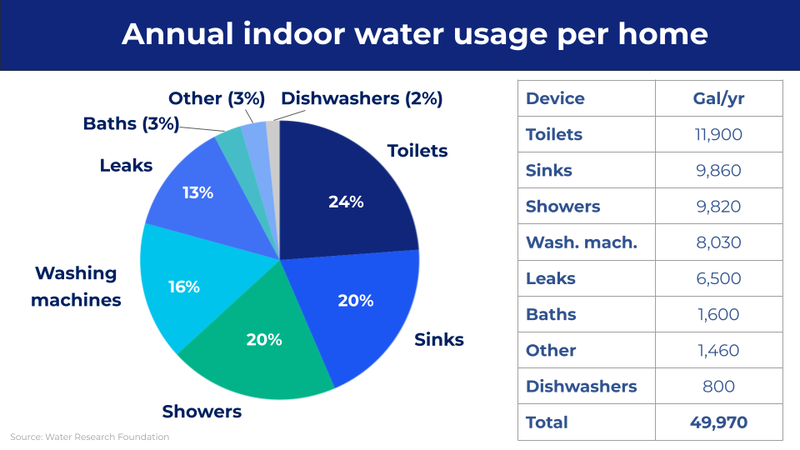
Figure 1. Breakdown of indoor water use in the average US home.
Toilets primarily affect water and sewage bills because they use only cold water. Showers and sinks, however, consume large amounts of hot water, meaning they affect both water bills and energy bills. Every gallon of hot water used requires energy to heat, making showers and sinks some of the most expensive water-consuming activities in the home.
Toilets, showers, and sinks are also among the easiest household water uses to improve. Modern high-efficiency fixtures can dramatically reduce water consumption without sacrificing performance, comfort, or convenience. Simple behavior changes and routine maintenance can further reduce costs while improving the performance and reliability of a home's plumbing system.
By understanding how toilets, showers, and sinks use water, homeowners and renters can identify the most cost-effective opportunities to lower utility bills, reduce water waste, and improve the overall efficiency of their home.