Section 2. The operating costs of kitchen equipment
Figure 1 shows the breakdown of energy bill expenses for the average US home in 2020, according to the Energy Information Administration’s 2020 Residential Energy Consumption Survey.
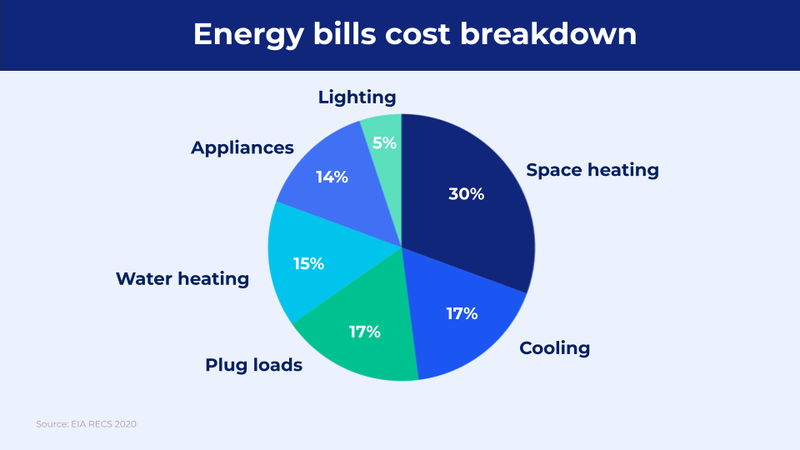
Figure 1. Breakdown of home energy costs for the average US home in 2020
Kitchen equipment contributes to three of these categories:
- Appliances: This category includes refrigerators, stovetops, ovens, and dishwashers (along with washing machines and dryers). According to the EIA, appliances account for about 14% of the average home’s annual energy costs.
- Plug loads: This category includes everything that plugs into a standard wall outlet, such as microwaves, coffee makers, toasters, and electric kettles. According to the EIA, plug loads account for about 17% of the average home’s annual energy costs.
- Water heating: Dishwashers and kitchen sinks use hot water, so they also add to the cost of running the home’s water heater.
Factors that influence the cost of kitchen equipment
The cost of running kitchen equipment can vary significantly from home to home. Several factors influence how much these devices end up costing, including technology type, fuel type, technology age, and behavior.
Technology type has a large impact on cost. For example, induction stovetops transfer much more of their energy into food than other types of stovetops, and top-freezer refrigerators generally use less energy than side-by-side or French door models.
Fuel type also matters. Kitchen equipment like ovens and stovetops can be powered by electricity, natural gas, or propane, and dishwashers rely on hot water that may be heated by electricity, natural gas, propane, or fuel oil. Local energy prices for each fuel affect how much it costs to run the same type of appliance.
Age is often one of the biggest factors. Appliances have become much more efficient over the past few decades, so older equipment often uses far more energy than newer models.
Finally, behavior plays an important role. How often the oven is used, how long the refrigerator door stays open, whether the dishwasher runs full loads, and whether small appliances stay plugged in all affect how much energy kitchen equipment uses.
Reading the EnergyGuide label
Product labels can help estimate an appliance’s annual operating costs. In the US, refrigerators, freezers, and dishwashers come with a yellow EnergyGuide label, and many other countries use similar energy labels. The EnergyGuide label shows an appliance’s estimated yearly electricity use in kilowatt-hours (kWh), which is the unit utilities use to bill for electricity. It also shows an estimated yearly operating cost based on a national average electricity price, and a scale comparing the model to similar ones.
For example, if a refrigerator’s label shows 400 kWh per year and the price of electricity on your bill is $0.17 per kWh, the refrigerator would cost about $68 per year to run.
Rebates and incentives
Many utilities, governments, and local programs offer rebates for efficient kitchen appliances that can reduce the upfront costs of kitchen upgrades. Some programs also offer extra support for income-qualified households or free pickup and recycling of old refrigerators and freezers. Utility websites and local government energy programs are good places to check what’s available in your area.