Section 4. The significance of leaks
As shown in Figure 3, leaks account for 13% of the average US home’s water consumption. Some leaks are obvious, but many go unnoticed for long periods of time, quietly increasing water bills and causing damage behind walls, under floors, or underground. Understanding where they occur and how to detect them early is one of the most effective ways to reduce water use and protect your home.
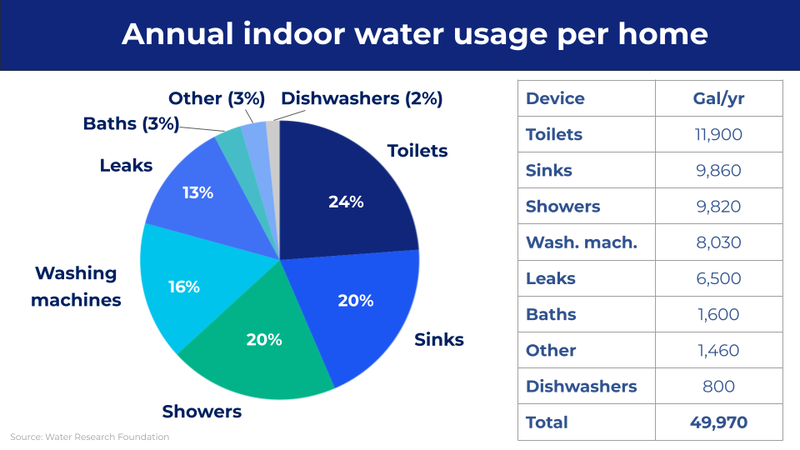
Figure 3. Breakdown of how the average US home uses water indoors.
The impact of leaks
Even small leaks can waste large amounts of water over time. A slow drip or running toilet may seem minor, but when it runs continuously, it can add hundreds or even thousands of gallons to a home’s annual water use. This increases water bills, and, if hot water is involved, energy bills as well.
In addition to increasing water and energy bills, leaks introduce excess moisture into the home. Moist environments create ideal conditions for mold growth, which can negatively affect indoor air quality and contribute to respiratory issues, allergies, and other health concerns. Left unaddressed, leaks can weaken building materials, damage flooring and cabinetry, and lead to expensive repairs or insurance claims.
Types of leaks
Leaks can occur in many parts of a home’s water system, and not all of them are easy to see.
Common leak types include:
- Toilets: Running or leaking flapper valves that allow water to flow continuously into the bowl
- Faucets and showerheads: Drips caused by worn washers or cartridges
- Appliance supply lines: Connections to washing machines, dishwashers, refrigerators, and water heaters can fail and cause leaks
- Pipes and joints: Hidden leaks inside walls, ceilings, or crawlspaces
Some of the most damaging leaks are slow and silent, making regular checks especially important.
How to check for leaks
Many leaks can be detected with simple, no-cost checks. Here are a few examples of easy tests you can run at home to see if you have a water leak.
Toilet dye test
Add a few drops of food coloring to the water in your toilet tank, then wait about 15 minutes without flushing. If color appears in the toilet bowl, the toilet is leaking.
Visual checks
Look for water stains, discoloration, peeling paint, warped floors, or damp spots on walls and ceilings. Check under sinks, behind toilets, and around appliances for puddles or moisture.
Smell and sound clues
Check for persistent musty odors, as these can indicate hidden moisture or mold. Hissing, dripping, or running-water sounds when no fixtures are in use may point to a leak. For example, if a toilet sounds like it is flushing on its own, that means it’s leaking.
Water meter test
Turn off all water-using fixtures and appliances, then check the water meter. If the meter continues to move, there may be a hidden leak in the system.