Section 1. Why understanding home energy use matters
By understanding how your home uses energy, you can more easily identify ways to save money on your energy bills, improve the comfort of your home, and ensure that your energy-consuming technology is contributing to a healthy and safe home.
The cost of home energy use
In 2020, the Energy Information Administration (EIA) reported that the average home in the United States (US) spent $1,988 on energy bills. This number continues to increase, due to rising energy prices and due to more frequent days of extreme heat and cold. (During extreme heat and cold, your cooling and heating systems, respectively, need to work harder to maintain comfortable indoor air temperature.)
Home energy experts at Scope Zero estimate that the average US household could cut their energy bills by almost 50% by upgrading to energy-efficient home technology. (Home technology includes everything from heating and cooling systems to insulation, light bulbs, appliances, water heaters, and electronics. See Figure 1.) The energy bill savings could be even higher if the occupants of your home have wise energy consumption habits.
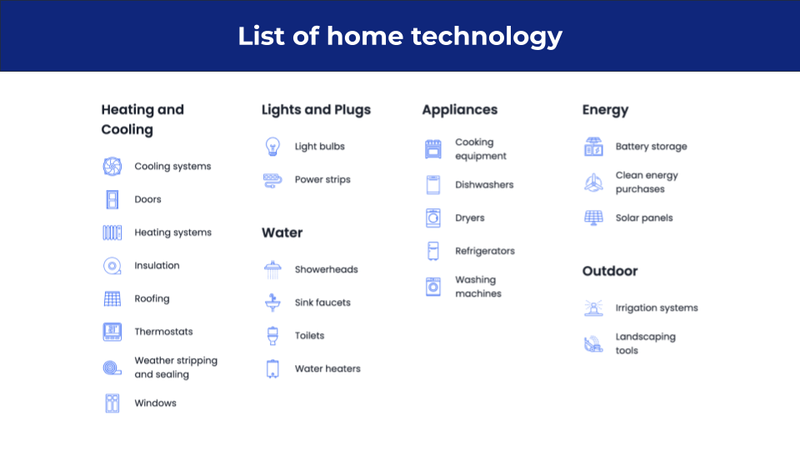
Figure 1. List of home technology
But every home is unique in how it consumes energy, so it can be difficult to have a one-size-fits-all playbook for upgrading your home technology. Home energy consumption is based on several factors that can vary wildly across homes. Some of these factors include home type (apartment, townhouse, standalone house, etc.), home location, home age, home technology type, home technology age, occupant behavior, and energy utility providers. This is why it's important to understand how your specific home uses energy so that you can then identify the most personalized cost-effective home technology upgrades and behavior changes that can reduce your energy bills.
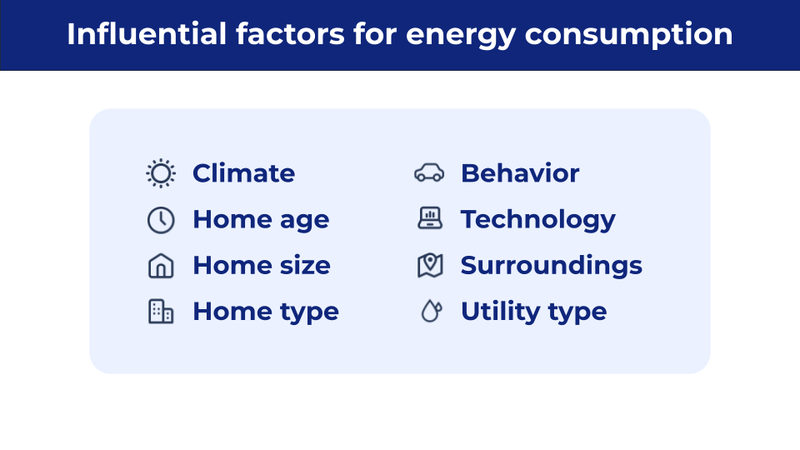
Figure 2. Factors that influence your energy bills
How wise home energy use can improve your comfort
Reducing your energy bills does not mean you need to sacrifice comfort or convenience. In fact, upgrading to high-performance energy-efficient home technology can often reduce your energy bills while increasing the comfort level of your home.
For example, adding proper building envelope measures to your home can decrease your heating and cooling costs while keeping your indoor air at comfortable temperature and humidity levels. (Building envelope refers to anything that separates the interior of your home and the exterior of your home, like insulation, weather stripping, roofing, windows, and doors.) If you have a tight building envelope, it means that your home is well-insulated. A well-insulated home keeps your conditioned air inside and reduces drafts, ensuring a comfortable indoor environment without overworking your heating and cooling systems.
Dishwashers are another important example of a high-performance energy-efficient appliance that simultaneously minimizes dish-washing costs while freeing up your time without the need to hand-wash dishes. A fully-loaded (but not overly crammed) modern energy-efficient dishwasher typically uses only between 2-4 gallons of water (or about 7.5-15 liters). This is usually much less energy and water than is used by hand-washing dishes, with a typical kitchen sink faucet using about 2 gallons (7.5 liters) of water per minute. By using less energy and water, you save on your utility bills.
Lastly, wise use of LED light bulbs is another way you can save on your electricity bill while improving the lighting quality of your home. With strategic light bulb placement and proper selection of light bulb type and brightness level, you can avoid eye strain (improving your comfort level) while reducing the cost to power your lights.
How wise home energy use can improve your health
Understanding how your home uses energy can also improve the health and safety of your home.
A perfect example of this is understanding how different stovetop fuels impact the air quality of your home. Various studies, including this 2025 publication by Stanford University, show that homes that cook with electric-powered stovetops tend to have much better indoor air quality than homes that cook with gas-powered stovetops. By using an electric-powered induction stovetop, you can minimize the health risks of being exposed to pollutants from fossil-fuel-powered stovetops.
Another health issue that is directly related to your home's energy consumption is how well your heating and cooling systems are able to maintain safe temperature levels during extreme heat or cold. By learning how to optimize your building envelope, heating system, cooling system, and thermostat to work best in your climate, you can minimize your heating and cooling energy expenses while improving the safety of your home during extreme weather conditions.