Section 1. Why it’s important to understand your heating system
Heating systems keep your home warm, comfortable, and safe during cold weather. For many homes in the United States, heating is also the single largest energy expense. According to the Energy Information Administration's Residential Energy Consumption Survey (EIA RECS), space heating accounted for about 30% of the average US home's energy costs in 2020. (See Figure 1.) By understanding how your heating system works, you can more easily identify ways to lower your energy bills while keeping your home comfortable and healthy.
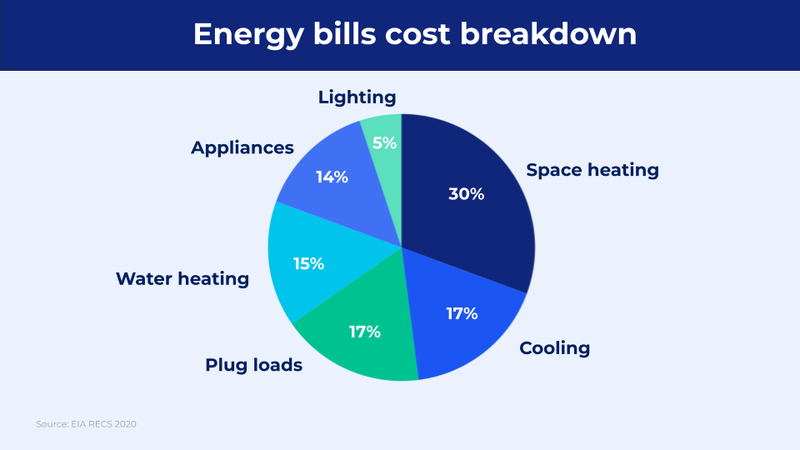
Figure 1. Household energy costs by end use
How heating keeps you comfortable
Comfort depends on more than the number on your thermostat. Drafts, cold floors, and cold window and wall surfaces can all make a room feel chilly, even when the air temperature is the same as a room that feels cozy. This is because your body loses heat not only to the surrounding air, but also to nearby cold surfaces and moving air.
This means that a comfortable home is not just about running the heating system harder. Reducing drafts and heat loss through your home's walls, windows, doors, and attic can often improve comfort more effectively than turning up the thermostat.
Heating and your health
Reliable heating plays an important role in protecting your health. Homes that are too cold can increase the risk of respiratory illness, cardiovascular strain, and other health issues, particularly for older adults, young children, and people with existing health conditions.
Heating also affects indoor air quality. Cold outdoor air holds very little moisture, so heated indoor air can become very dry during the winter, which can irritate skin, eyes, and airways. At the same time, heating systems that burn fuel, such as gas furnaces and boilers, must be properly vented and maintained to prevent exposure to carbon monoxide. Understanding your heating system helps you keep your home both warm and safe, especially during extreme cold snaps and power outages.
Heating and your energy bill
The amount each household spends on heating varies considerably. Climate, the type of heating system, the fuel it uses, the size and age of the home, and how well the home is insulated all influence how much energy is needed to stay warm. Understanding what drives your heating costs is the first step toward reducing them without sacrificing comfort.