Section 3: The cost of heating your home
For most homes in the United States, heating is the single largest energy expense. According to the Energy Information Administration's Residential Energy Consumption Survey (EIA RECS), space heating accounted for about 30% of the average US home's energy costs in 2020, more than any other end use. (See Figure 1.)
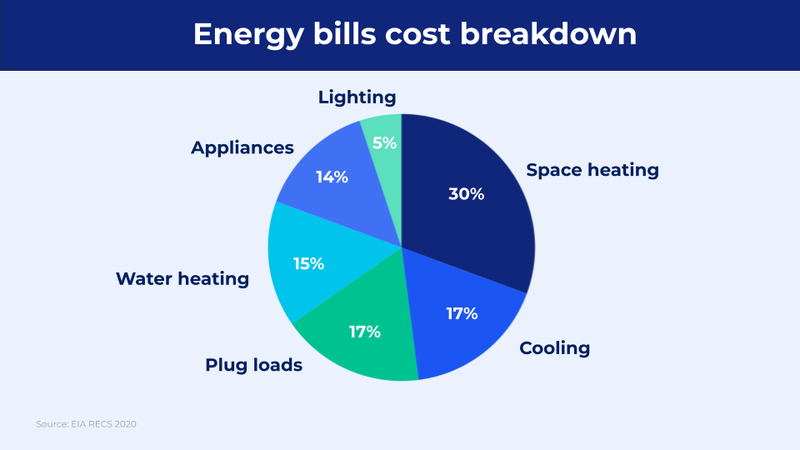
Figure 1. Household energy costs by end use
Heating costs are also highly seasonal. Most heating costs are concentrated in just a few winter months, which is why many households see their energy bills spike during periods of cold weather.
One of the biggest factors affecting operating costs is the fuel that the heating system uses. The four most common heating fuels in the US are electricity, natural gas, propane, and fuel oil. Each fuel has a different price, is measured in different units, and is used by different types of heating systems. Table 1 shows the average annual heating cost by fuel type using 2020 energy prices, along with the projected annual cost for the same energy consumption using average 2025 energy prices.
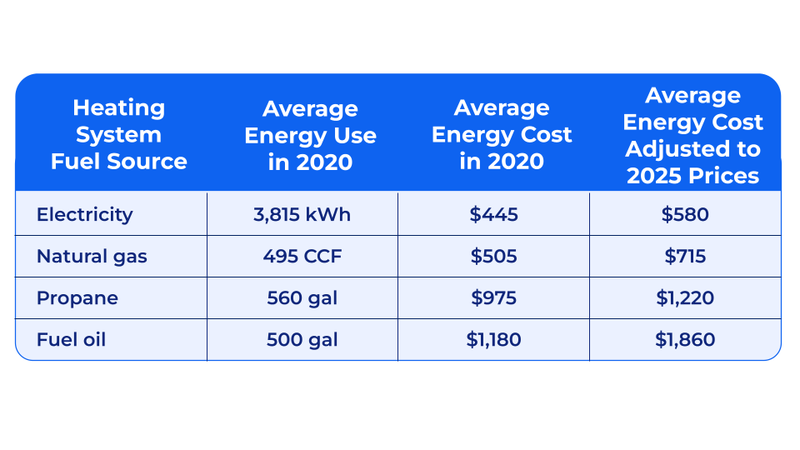
Table 1. Average annual heating costs by fuel type (2020) with projected 2025 costs
The price of a fuel only tells part of the story. What matters most is how much it costs to deliver heat into your home, which depends on both the fuel price and how efficiently the heating system turns that fuel into heat.
For example, electric baseboard heaters turn each unit of electricity into one unit of heat. Heat pumps, on the other hand, move heat rather than create it, delivering about three units of heat for every unit of electricity they use. As a result, heating a home with a heat pump can cost about two-thirds less than heating the same home with electric baseboard heaters, without burning any fossil fuels inside the home.