Section 3. The cost of cooling your home
Cooling is often one of the largest energy expenses in a home, particularly in hot climates. According to the US Energy Information Administration, cooling systems accounted for almost 20% of the energy costs for the average US home in 2020. (See Figure 1.) However, the amount individual households spend on cooling varies considerably depending on where they live, their home, their cooling system, and how they use it.
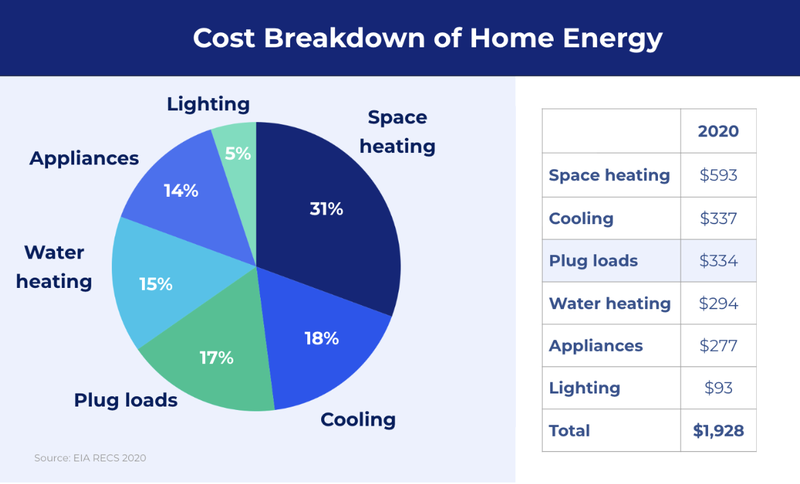
Figure 1. Household energy costs by end use
Homes in hot climates may require air conditioning for much of the year, while homes in cooler climates may only require cooling during the summer or particularly hot days. Humid climates can also increase cooling needs because many air-conditioning systems use energy to remove both heat and moisture from indoor air.
Cooling costs also vary throughout the year. Electricity consumption typically increases during periods of hot weather as cooling systems operate more frequently and for longer periods of time. During periods of extreme heat, a cooling system may operate for much of the day to maintain comfortable indoor conditions.
As average temperatures rise and periods of extreme heat become more frequent and intense in many regions, cooling is becoming an increasingly important source of household energy consumption. Understanding the factors that influence the cost of cooling can help households recognize the potential value of reducing cooling demand and improving cooling efficiency.